Etc. Magazine

  • Home
  • Category
    • Ringgit for Thoughts
    • Events
    • Culture
    • Social Awareness
    • Sports
    • Creative Writing
    • #SurvivingCollege101
    • Festive
    • Speaker's Corner
    • Enough is Enough
  • About Us
  • Contact Us
  • E-Magazine
    • Issue 6

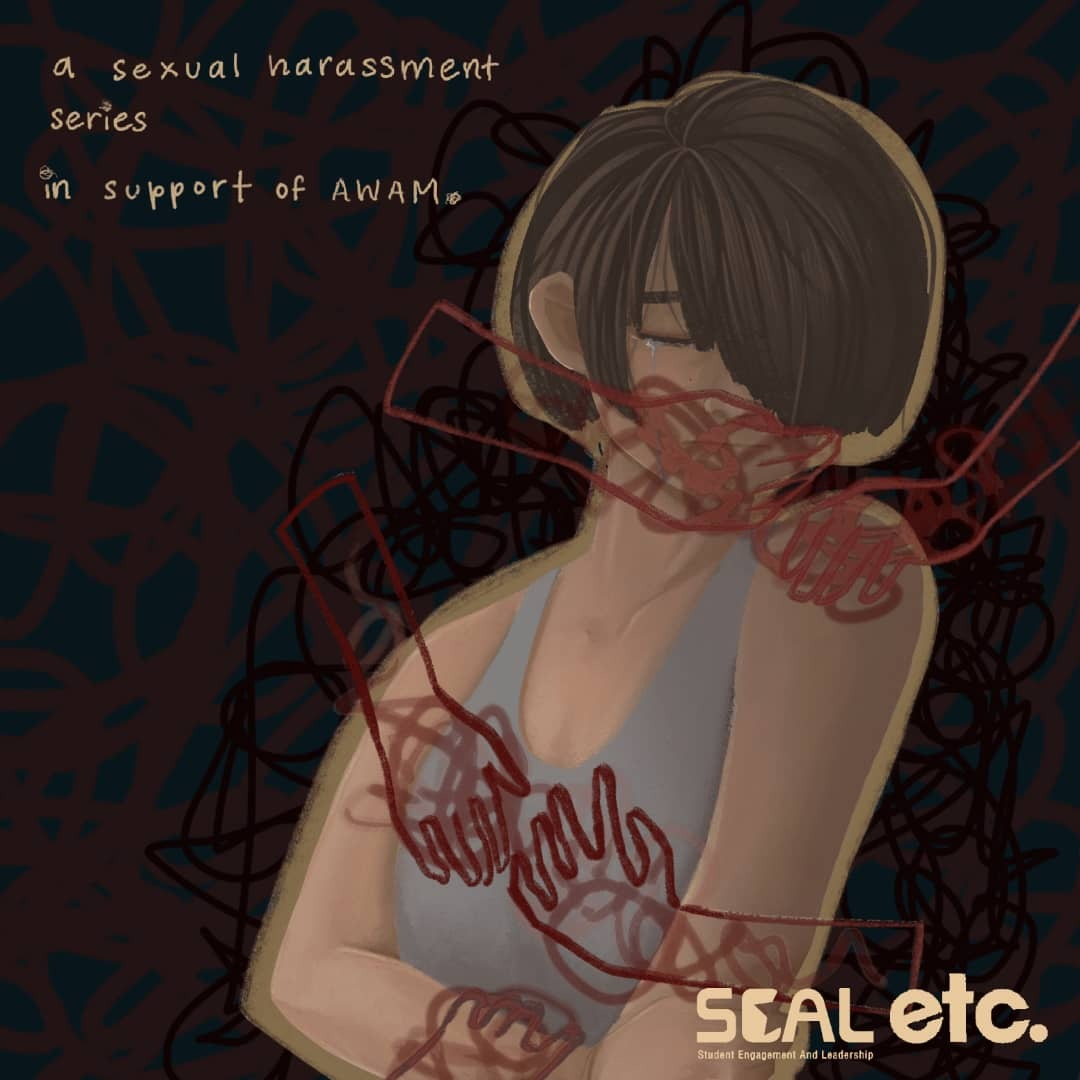
Credits to Daryln @chokoilatte. 

Source: The Jakarta Post. 

In the last article, the writer explored how sexual harassment can take huge toll on the survivors’ mental health and what are some of the signs we should spot for the people close to us who may not disclose their sexual harassment experiences. In this article, the writer will talk about how victim blaming can further worsen the issue and what we should do when survivors do tell us their incident. 

___________________________________________________________________________________________________________________

 
    In recent years, the topic of mental health has been discussed in the media in shows some of us are familiar with - Sex Education and 13 Reasons Why. As these shows rise in popularity, more individuals are beginning to be aware and respectful towards each other’s mental well-being. We see real-life reflections of how youths get affected and deal with cases of sexual harassment and abuse. Although the life of Hannah Baker was heart-breaking to watch, that is the extreme extent of how mental health impacts a sexually harassed and abused survivor in reality. “The perpetrator did not get arrested because he comes from a wealthy family. There are many other shows where the perpetrators are always off the hook. When children see this, they may think what is the point of lodging a report if justice is not served?” 

Source: Shedoesthecity 

    Two words. One big problem. Victim Blaming.

    Victim blaming is an act whereby the survivor is held at fault and accountable for the tragedies that befell onto them. Sexual harassment survivors tend to get blamed rather than their perpetrators for what has happened. Oftentimes, we can see victim blaming occur in the media. Infamous questions and statements circulating on how the survivors would be dressing, places they would go and even the people they were spending their time with. These statements or questions oppresses the survivors further, keeping them quiet as they would fear backlash from the society. As the media reflects the act of victim blaming, survivors or anyone who consumes these media will tend to believe that they are at fault. 

    Over time, the cases the media has shown or has gained massive audiences has conditioned us to believe that if we speak up, we will not get help. That is the wrong perception. Ashwini brought about the patriarchal society we live in today. “From a young age, women are told to cover up. Boys will be boys and they can do anything. Women should obey men. So when a woman gets harassed, the society thinks it is normal, it is her fault and she deserves it,” elaborated Ashwini. 

Source: RIT’s Reporter Magazine - Rochester Institute of Technology

    Victim blaming comes in different forms and aspects. Oftentimes, it comes off subtly that even you will not even realise and you start to question yourself. Some may think asking ‘just to make sure’ questions are an innocence form of care, but no. It is insensitive and all in all unnecessary. It is the last thing a survivor needs to hear after what has happened to them. 

    Instead, here are some steps we should take note of when a survivor discloses his/her ordeal to you according to Ashwini: 

Source: Mindful.org

1. Stay Calm

The survivor does not need added distress so be as calm as possible. Be there for them and do not be judgemental. If a survivor discloses to you, it means that they trust you enough to open up. 

Source: Pinterest 

2. Acknowledge Their Courage

Especially towards a child, acknowledge them by thanking them for their courage. This way, you are not only showing support but also giving reassurance that it is alright to get help and opening up. Ashwini highlights to also inform survivors of helpful services such as hotlines to call if one were to have suicidal thoughts. 

Source: Freepik

3. Grounding Techniques

If a survivor were to explain what has happened to them, they might go under a panic attack. We have to bring them back to the present. There are several techniques Ashwini mentioned, “Holding something hard in their hand, asking them how it feels like. Does it feel cold or warm in your hands? So, the more they talk about it, the anxiety would dissipate. Even asking them what they see around them. Give me five things you see around you and so on.” 

Source: Pinterest

4. Be Available

Be around whenever they need help on areas like following them to school or picking them up from work. 

Source: Pinterest

5. Record

Write as much information down after they have disclosed to you. At times, survivors can forget due to the trauma. By writing these down, lodging a report or speaking to professional help would help ease the process. 

Source: AWAM

Sexual harassment can occur in all situations, whether it is at your workplace, school or even in public. Despite that, Malaysia does not have a specific law that targets sexual harassment which often leads to reports of sexual harassment not being taken seriously or completely disregarded. The Sexual Harassment Bill has been in the works for the past 20 years and aims to protect all survivors regardless of gender, race and background. Let’s step up and use our voice to ensure that this bill gets tabled at the parliament this November! The petition can be found here. AWAM currently has garnered over 16,000 e-signatures, BUT the traditional Paper Petition is what gets this cause heard in Parliament. YOUR help is needed to amplify the Rakyat’s call for our MPs to address sexual harassment head-on‼️ Follow these steps to sign the paper petition: 

1. Get in touch with AWAM via Instagram @awammalaysia or call them at 0378774221 to get your copy of the petition. 

2. Sign the Petition. Remember to include your IC number, address and full name 📝 

3. Send the petition back to AWAM! You have 2 options for this depending on where you stay📬📫 


Source: AWAM 

*The paper petition is open to Malaysians ONLY. But remember, the Sexual Harassment Act is for everyone! 

*The 2nd image ‘How to send it back’ has a mistake. Petitions sent via PosLaju must be mailed before 16th November). 

You can also donate to AWAM’s Sexual Harassment Awareness, Redress & Prevention (SHARP) Program that will enable them to provide trainings for free to the people who can’t afford them (ex. Orang Asli estate workers, students in smaller schools, non-English speaking communities, etc.) but need them the most. 

If you or someone you know is having a hard time or have experienced any form of gender-based violence, do reach out to AWAM’s Helpline, Telenita at 0162374221, WAO’s 24/7 Hotline at 0379563488 or WhatsApp Tina at 0189888058. 
Share
Tweet
Pin
Share
No comments

Credits to Daryln @chokoilatte.

    Sexual harassment has been a lurking presence in our society for the longest time. Its hands have been snatching and stripping parts of our innocence, leaving us with mental and emotional scars. Under the Malaysian Employment Act, sexual harassment is defined as ‘any unwanted conduct of a sexual nature, whether verbal, non-verbal, visual, gestural or physical, directed at a person which is offensive or humiliating or is a threat to his well-being, arising out and in the course of his employment’. 

Source: The Business Journal 

    Though not known by many, sexual harassment can result in serious mental health impacts on the survivors. However, there are aspects of it which we have yet to grasp entirely which is why I reached out to a psychologist specialising in child and adolescent mental health and a member of the British Psychologist Society, Ashwini Balagopal, regarding the mental health impacts over sexual harassment survivors. Over the years, Ashwini has worked with countless child and youth survivors. 

    “When I speak to my clients who got sexually harassed, who are mostly children, they always feel guilty and they blame themselves. Also, some of them come from conservative families, so they would feel like if maybe I didn’t wear that or maybe I didn’t go out, I wouldn’t be like this. Maybe if I wasn’t so affectionate to my uncles, for example, then he wouldn’t have touched me. Another reason is because most of their perpetrators are family members. So, if they were to report to their parents or a police officer, they’re afraid that the family dynamics would be destroyed,” explained Ashwini. 

Source: Op-Med 

    Survivors of sexual harassment also feel depression and anxiety. According to Ashwini, many of them have panic attacks and eating disorders. This is because they feel like if they become obese or fat, no one would touch them as they associate being fat with ugliness. Similarly, some may think that if they look really skinny or anorexic, the perpetrator won’t think they’re attractive. Survivors of harassment cope and respond to abuse in different ways, and their response can change over time. This is one of the many coping mechanisms for them. If a child has been sexually harassed by an adult or anyone for that matter, distrust and paranoia can be formed within and result in failed relationships in the future. Some might develop prejudice against certain groups of people because of their perpetrator was of that culture or the survivors themselves become bullies and perpetrators themselves. 

Source: The Art of Dentistry 

So what are some of the warning signs in cases where survivors do not disclose their experiences to you? Mentioned by Ashwini, here are some of the signs we should take note for the people around us: 

Source: The Irish Times 

1. Change of Behaviour - Eating & Sleeping 

    When there is a sudden change of sleeping patterns or a sudden loss of appetite towards the survivor’s once favourite food, gently approach them to understand the reasons behind the sudden behavioural change. These behavioural change can range from having recurring and specific nightmares, needing to sleep with their parents for comfort and safety or the need to stay away from their parents/siblings to sleep, and over-eating/under-eating with the perception of wanting to make themselves unattractive to the perpetrator to keep them away. 

Source: Pinterest 

2. Excessive knowledge of sexual topics 

    This is particularly important for parents to take note of their children, ages 12 and below, as this is a behaviour that is not congruent in their age. If there is a sudden, unknown spike in knowledge of sexual terms, topics or even inappropriate areas of touching to oneself or towards others, this is a clear sign that they have been exposed sexual harassment. 

Source: Healthline 

3. Selective Mutism 

    Selective mutism is defined as a severe anxiety disorder whereby one is unable to speak about a certain topic or speak in certain social situations. In other words, the survivors refuse to talk. As mentioned by Ashwini, they feel that they will either accidentally blurt out what has happened to them and they are worried to disclose such information for reasons such as the perpetrator threatening them. 

Source: KCBX 

4. Excessive Touching of the Genital Area 

    Children, youths and even young adults often learn by observation and imitation. Adults are considered ‘role models’ and to a certain extent, authoritative figures to the younger ones. In other words, adults only do right in their eyes. If a child see their adult perpetrator commit sexual acts, it it likely that they are confused and unsure of what is going on and naturally assume that it is correct. 

    “There was once a case I handled. A young boy around 7 or 8 years old, and he kept touching himself. Even in school, he’s masturbating and touching his penis. So the teachers were wondering what’s going on and he doesn’t know what’s going on. One day he said that the teacher touched him there and he likes it so he touches himself. He got abused by his religious teacher,” shared Ashwini on one of her past cases. 

Source: Unique Mindcare 

5. Signs of Trauma to the Genital Area 

    Specifically when there are cases of unexplained bleeding, bruising on the skin, wetting their bed or blood on their clothes or bed sheets. Ashwini emphasised on the importance of parents being attentive towards the clothing of their child, to check if there are drops of blood or anything unusual after coming home. 

    These are some of the signs that show if one has gone through forms of sexual harassment or sexual abuse, impacting them to the point of affecting their daily activities. Everyone reacts differently but Ashwini urges everyone to be attentive and monitor your environment regardless. She has also mentioned that if the survivor were to openly state their suicidal thoughts and ideation to their parents, it is no longer confidential and please get the professional help they need. Be alert, be aware and be attentive for not only yourself, but for everyone around you. 

Source: AWAM 

    This year, All Women’s Action Society (AWAM) is determined to finish their 20-year mission of making sure the Sexual Harassment Bill gets tabled. Our current law against sexual harassment is deeply flawed and this Bill serves to change it in terms of coverage, access, and accountability of organisations that does not have a sexual harassment policy. You can play your part by starting conversations about sexual harassment with your friends and family, spreading information about this campaign on social media with the hashtag #DontDisappointUs, #JanganHampakanKami, and #AWAMForTheBill or signing their petition and donating to the cause. To find out more information, you may head to AWAM’s page about this campaign on their website. 

AWAM currently has garnered over 16,000 e-signatures, BUT the traditional Paper Petition is what gets this cause heard in Parliament. YOUR help is needed to amplify the Rakyat’s call for our MPs to address sexual harassment head-on‼️ Follow these steps to sign the paper petition: 

1. Get in touch with AWAM via Instagram @awammalaysia or call them at 0378774221 to get your copy of the petition. 

2. Sign the Petition. Remember to include your IC number, address and full name 📝 

3. Send the petition back to AWAM! You have 2 options for this depending on where you stay📬📫 


Source: AWAM 

*The paper petition is open to Malaysians ONLY. But remember, the Sexual Harassment Act is for everyone! 

*The 2nd image ‘How to send it back’ has a mistake. Petitions sent via PosLaju must be mailed before 16th November). 

You can also donate to AWAM’s Sexual Harassment Awareness, Redress & Prevention (SHARP) Program that will enable them to provide trainings for free to the people who can’t afford them (ex. Orang Asli estate workers, students in smaller schools, non-English speaking communities, etc.) but need them the most. 

If you or someone you know is having a hard time or have experienced any form of gender-based violence, do reach out to AWAM’s Helpline, Telenita at 0162374221, WAO’s 24/7 Hotline at 0379563488 or WhatsApp Tina at 0189888058. 
Share
Tweet
Pin
Share
No comments

Credits to Daryln @chokoilatte. 

Source: Freepik. 

1. Say NO and be firm. Let the harasser know you are clearly uncomfortable and do not appreciate their behaviour. 

Source: Mid Hudson News 

2. Document and collect evidence. Take notes to keep track of the time, date, place and actions of the harasser as well as who were present at the scene. Keep screenshots of messages of harassment as evidence. This is especially important if you are under the age of 18 and wish to file a report when you are 18, or alternatively, you can get the help of an adult to file the report for you. 

Source: CNN.com 

3. Talk to someone. Let a person you can trust know about the harassment and alert them on the situation. Alternatively, you can call a helpline for support and advice such as All Women’s Action Society (AWAM)’s Telenita or Women’s Aid Organisation (WAO)’s TINA. 

Source: The New Yorker 

4. Speak to a lawyer. It’s important to get legal advice to assess the situation and plan your next steps. AWAM offers free legal advice while free legal aid can be obtained from the Bar Council. 

Source: Wellesley Magazine 

5. File a report. Typically, the process involves making the police report and submitting a medical check-up. The police will then investigate, and the case will go to trial subject to the evidence provided. When the case goes to trial, the survivor will be legally represented by the Deputy Public Prosecutor. 

Source: AWAM 

Sexual harassment can occur in all situations, whether it is at your workplace, school or even in public. Despite that, Malaysia does not have a specific law that targets sexual harassment which often leads to reports of sexual harassment not being taken seriously or completely disregarded. The Sexual Harassment Bill has been in the works for the past 20 years and aims to protect all survivors regardless of gender, race and background. Let’s step up and use our voice to ensure that this bill gets tabled at the parliament this November! The petition can be found here. AWAM currently has garnered over 16,000 e-signatures, BUT the traditional Paper Petition is what gets this cause heard in Parliament. YOUR help is needed to amplify the Rakyat’s call for our MPs to address sexual harassment head-on‼️ Follow these steps to sign the paper petition: 

1. Get in touch with AWAM via Instagram @awammalaysia or call them at 0378774221 to get your copy of the petition. 

2. Sign the Petition. Remember to include your IC number, address and full name 📝 

3. Send the petition back to AWAM! You have 2 options for this depending on where you stay📬📫 


Source: AWAM 

*The paper petition is open to Malaysians ONLY. But remember, the Sexual Harassment Act is for everyone! 

*The 2nd image ‘How to send it back’ has a mistake. Petitions sent via PosLaju must be mailed before 16th November). 

You can also donate to AWAM’s Sexual Harassment Awareness, Redress & Prevention (SHARP) Program that will enable them to provide trainings for free to the people who can’t afford them (ex. Orang Asli estate workers, students in smaller schools, non-English speaking communities, etc.) but need them the most. 

If you or someone you know is having a hard time or have experienced any form of gender-based violence, do reach out to AWAM’s Helpline, Telenita at 0162374221, WAO’s 24/7 Hotline at 0379563488 or WhatsApp Tina at 0189888058. 

Share
Tweet
Pin
Share
No comments

Credits to Daryln @chokoilatte. 

Source: Alabama Public Radio. 

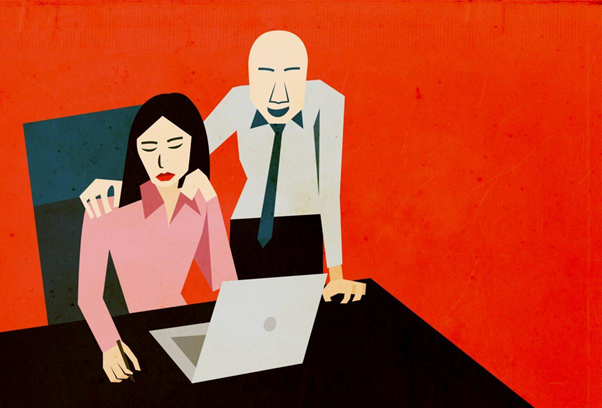
    Debilitating stress reaction, including anxiety, depression, headaches, sleep disorders, weight fluctuation, nausea, lowered self-esteem and sexual dysfunction. These are just some of the horrendous effects of sexual harassment, an atrocious act of unwelcomed sexual behaviors forced upon another human life. Even in the midst of a global epidemic, the fight to table a Bill still goes on. A Bill to enforce upon the law that protects not only our rights, but the safety and comfort of knowing that the next time we step out of our house, the threat of getting sniped by a degenerate has been vanquished. 

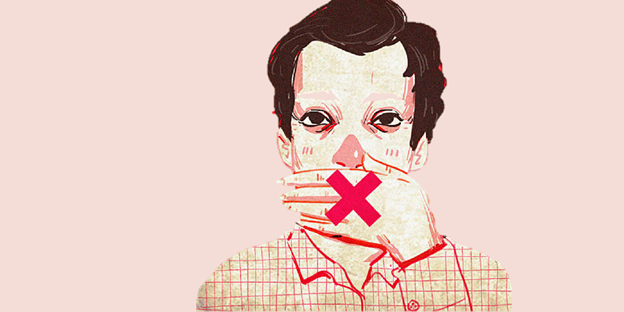
    However, in this long dragged out battle, a large group of survivors have always been left out of the conversation. Yes, I'm talking about the male survivors of sexual harassment. Do male survivors even exist in Malaysia? Well to many people’s surprise, yes. In fact, 21% of the reported cases of sexual harassment were from men, according to former Women, Family and Community Development Deputy Minister Hannah Yeoh in 2019, and the real value could be higher due to the stigma surrounding around reporting for male survivors. A survey carried out by YouGov Omnibus among 1,002 Malaysians found that of the 36% of women and 17% of men who have experienced sexual harassment, women are more likely to report their cases than their male counterparts at 57% percent. 

Source: i-Sight 

    Well, that can’t be right! Men are supposed to be stronger right? How can they be sexually harassed? Are the effects of sexual harassment on men the same as the effects it has on women? Yes. As it appears, stress and PTSD does not care about how many X chromosomes you have. Robin Bailey, a senior lecturer in Psychological Therapies from University of Central Lancashire stated that men who have been sexually harassed are more likely to experience high levels of anxiety, depression and alcohol abuse. This can in turn lead to education and employment problems, such as dropping out of school, quitting work and low morale. 

Source: Dhaka Tribune 

    So, what’s stopping men from reporting sexual harassment? It’s imperative to note that toxic masculinity plays a part in a lot of societal issues, including sexual harassment. Generally, the set of attitudes stereotypically expected of men are to be assertive, stoic, courageous, and not to be pushed around as displayed in the media - to be ‘the Joker, the Jock, the Strong Silent Type, the Big Shot and the Action Hero’. Can a man really be sexually harassed? “In some instances, they shied away from reporting the harassment as they feared no one would believe that they were sexually harassed,” said Hannah Yeoh at the Northern Region Institute of Public Administration in Sungai Petani in a seminar on 'Handling Sexual Harassment at the Workplace'. As a result of toxic masculinity running in today’s world, society refuse to believe that sexual harassment can happen to males as well. Adding on, in an article titled ‘WHY MEN ARE LESS LIKELY TO REPORT SEXUAL HARASSMENT’ by Levin and Nalbandyan Trial Lawyers, it is written that men would ignore sexual harssment due to fear of retaliation from the harasser espcially if they are of a higher position of power, fear of having their heterosexuality questioned, and fear of getting mocked by their colleagues due to being different from their form of masculinity. 

Source: Genetic Literacy Project 

    Furthermore, it is also harder for men in Malaysia to find a helping hand. Hannah Yeoh also stated that another reason why men would sweep it under the rug when sexually harassed is because of slow prosecution. Of all the sexual harassment cases reported by men, only 2.5% of the cases were prosecuted while 97.45% are still under investigation. This is a problem as a slow prosecution rate leads to a longer period for more interactions between the male survivor and the harasser. The slow prosecution rates could be because, according to Romeo Vitelli, a psychologist with a PhD in Psychology, “sexual harassment against men aren’t taken seriously”. 

Source: News in Health 

    In Malaysia, we have amazing female issues-based NGOs like All Women’s Action Society, Women’s Aid Organisation, Women’s Centre for Change Penang, Sarawak Women for Women Society, Sabah Women’s Action-Resource Group for women yet we have little to none NGOs like them for men. The mere existence of 1 or 2 NGOs similar to the Association for the Protection of Men in India or Men's Health Network in the U.S. in our country would help expand the public's perception to include the idea that yes, indeed men do have problems too. For example, do you know that issues faced by men include higher suicide rates, toxic masculinity, higher fatality rates at workplaces, higher chances of being unsheltered, domestic violence and of course, sexual harassment. Public awareness on these issues would definitely encourage the likelihood of a man reporting if they are getting sexually harassed at work or school. However, if you are a man in need of help in Malaysia, All Women’s Action Society would provide advice and assistance in social work. In case you aren’t aware, there are supportive organisations that fight for gender equality. WAO’s TINA (Think I Need Aid) and AWAM’s Telenita provide help for whoever is in need regardless of gender. 

Source: AWAM 

    Hence, the fight for sexual harassment isn’t only a women’s fight. It’s a fight for all gender groups. This year, AWAM is determined to finish their 20-year mission of making sure the Sexual Harassment Bill gets tabled. Our current law against sexual harassment is deeply flawed and this Bill serves to change it in terms of coverage, access, and accountability of organisations that does not have a sexual harassment policy. If you would like to be part of this fight as well, you may start conversations about it with your friends and family, spread information about this campaign on social media with the hashtag #DontDisappointUs, #JanganHampakanKami, and #AWAMForTheBill or sign their petition and donate to the cause. 

AWAM currently has garnered over 16,000 e-signatures, BUT the traditional Paper Petition is what gets this cause heard in Parliament. YOUR help is needed to amplify the Rakyat’s call for our MPs to address sexual harassment head-on‼️ Follow these steps to sign the paper petition: 

1. Get in touch with AWAM via Instagram @awammalaysia or call them at 0378774221 to get your copy of the petition. 

2. Sign the Petition. Remember to include your IC number, address and full name 📝 

3. Send the petition back to AWAM! You have 2 options for this depending on where you stay📬📫 


Source: AWAM 

*The paper petition is open to Malaysians ONLY. But remember, the Sexual Harassment Act is for everyone! 

*The 2nd image ‘How to send it back’ has a mistake. Petitions sent via PosLaju must be mailed before 16th November). 

You can also donate to AWAM’s Sexual Harassment Awareness, Redress & Prevention (SHARP) Program that will enable them to provide trainings for free to the people who can’t afford them (ex. Orang Asli estate workers, students in smaller schools, non-English speaking communities, etc.) but need them the most. 

If you or someone you know is having a hard time or have experienced any form of gender-based violence, do reach out to AWAM’s Helpline, Telenita at 0162374221, WAO’s 24/7 Hotline at 0379563488 or WhatsApp Tina at 0189888058. 
Share
Tweet
Pin
Share
No comments

Credits to Daryln @chokoilatte

    Following the recently huge movement towards the fight to file the Sexual Harassment Bill by All Women’s Action Society (AWAM), many Instagram pages and organisations are gaining lots of attention in support for this bill. One of these pages is @bukansalahkamek, a campaign originating in Kuching, Sarawak and founded by Kimberley Tan. 

Source: Kim Tan 

    Kimberley Tan, known as Kim to many, is a committee member of Sarawak Women for Women Society (SWWS) and spent four months preparing the proposal to launch the campaign. @bukansalahkamek started out in 2019 as a “Stop Sexual Violence Campaign” by SWWS. The user handle translates to “it’s not my fault”. During the pandemic and with physical gatherings put on hold, they brought their campaign online and launched their Instagram page in March 2020 with a committee of 10 active volunteers currently running the page. I had the opportunity to interview the founder of @bukansalahkamek, Kim. 

    What initiated this campaign came from her personal experience. There are many instances where she would witness her friends getting harassed and standing up for them was deemed unacceptable or unladylike. The culture of victim-blaming didn’t sit well with her and the lack of awareness regarding sexual violence and scarcity of support for survivors in Kuching bothered her. This is what pushed her to launch the campaign, the need to start a conversation surrounding the topic. She also knew the page requires to tackle different languages for better outreach. 


Source: Kim Tan 

    Her objectives and mission for this page and campaign is to build a community in Sarawak so that survivors do not feel alone, a platform where they can be heard and believed with people that they can open up to. They also aim to raise awareness, to break the stigma and sustain the conversation surrounding the issue. She sees that there are knowledge gaps because of the taboo surrounding sexual violence and society’s current language adapting of rape culture, myths and facts need to be allowed to help people. The other issue is to address how survivors can be deemed as second-hand goods which is unfair. 

    When she first started the campaign, her peers were concerned about how the campaign would impact her, regarding “what she could be labelled as” or any issues that may come up with her starting the page. However, that did not bother her, nor did she feel that it was challenging due to how vocal she was about the issue on her social media platforms. These doubts and worries simply just “ignited her fire” to start the campaign. 

    Throughout the journey, Kim believes that it has overall been quite smooth and successful. A few obstacles they faced were the lack of funds and shortage in manpower, as everyone who chooses to take part is a volunteer. Certainly, there may be some negative feedback from the public as well. These negative responses pose a challenge that is well accepted by the team because it is a step towards creating conversations regarding the issue. In order to educate rather than ‘cancelling’ differences, the team learns to understand the root of the problem stemming from how each individual is raised, nurtured by their environment and the prevalence of patriarchy in our systems, which is why this conversation is a step towards re-educating the community and raising awareness. 

    I asked Kim what surprised her throughout this journey. She answered that what stood out for her is the strength of survivors, those who are able to speak up, to choose a path to share their stories to support other survivors as well as continue practising kindness within their community. Through this, they can build a community and strong presence in Kuching. 

    The team has had a series of achievements especially during their four-month long campaign last year in 2019. They had events such as short film screenings, outreach programmes in rural areas, on child safety awareness with teachers and students. A notable event was an exhibition that was held for 9 days in Old Courthouse, Kuching. During this exhibition, they had installations of clothes from survivors in which different items had a different story, displays of how different survivors depict their trauma through poetry, art and music, and even a pledge wall where people supported the urgency of the Sexual Harassment Bill. 


Source: Kim Tan 

When the team was asked regarding their proudest achievements, these were some of their responses: 

“There was a sense of together-ness within the community, people coming together and that was nice.” – Kim Tan 

“My proudest accomplishment would be getting into the news. The Borneo Post, Aug 4, 2020. I kept the newspaper clipping in a file neatly as a memory.” – Hanisah Hosain 

“I'm proud of how we manage to work together and produce educational content despite our busy schedule, I love the respect we have for each other's time and space.” – Priscilla Grace Poul 

“To be able to be part of something impactful and contribute even a small part is one my proudest achievements in the BSK campaign - through the exhibitions as well and thank you to everyone who’s been supporting the campaign as well.” – Anonymous 

“I felt the proudest when people started to recognise the importance of the campaign. It means we really need some change here.” – Anonymous 

    To conclude the interview, I inquired what were Kim’s thoughts on the Sexual Harassment Bill and if she has anything she would like to say to the supporters of the page. Kim is absolutely thrilled about the extent of the current fight to table the Bill this upcoming November because the newly proposed Bill is more inclusive and clearly defined. In the past, perpetrators have been let go due to the negligence of our current legal system which is why the bill is very important. She would like to say thank you to the volunteers who come to work for the page, as most of them have been sticking around for over a year and she is extremely grateful for that. 

Source: AWAM 

Sexual harassment can occur in all situations, whether it is at your workplace, school or even in public. Despite that, Malaysia does not have a specific law that targets sexual harassment which often leads to reports of sexual harassment not being taken seriously or completely disregarded. The Sexual Harassment Bill has been in the works for the past 20 years and aims to protect all survivors regardless of gender, race and background. Let’s step up and use our voice to ensure that this bill gets tabled at the parliament this November! The petition can be found here. AWAM currently has garnered over 16,000 e-signatures, BUT the traditional Paper Petition is what gets this cause heard in Parliament. YOUR help is needed to amplify the Rakyat’s call for our MPs to address sexual harassment head-on‼️ Follow these steps to sign the paper petition: 

1. Get in touch with AWAM via Instagram @awammalaysia or call them at 0378774221 to get your copy of the petition. 

2. Sign the Petition. Remember to include your IC number, address and full name 📝 

3. Send the petition back to AWAM! You have 2 options for this depending on where you stay📬📫 


Source: AWAM 

*The paper petition is open to Malaysians ONLY. But remember, the Sexual Harassment Act is for everyone! 

*The 2nd image ‘How to send it back’ has a mistake. Petitions sent via PosLaju must be mailed before 16th November). 

You can also donate to AWAM’s Sexual Harassment Awareness, Redress & Prevention (SHARP) Program that will enable them to provide trainings for free to the people who can’t afford them (ex. Orang Asli estate workers, students in smaller schools, non-English speaking communities, etc.) but need them the most. 

If you or someone you know is having a hard time or have experienced any form of gender-based violence, do reach out to AWAM’s Helpline, Telenita at 0162374221, WAO’s 24/7 Hotline at 0379563488 or WhatsApp Tina at 0189888058. 

Share
Tweet
Pin
Share
No comments
Older Posts

Follow Us

  • Facebook
  • Instagram
  • TikTok

Search

Subscribe to Our Monthly Newsletter!

Contact Form

Name

Email *

Message *

About Us

Etc Magazine

Etc. Magazine is all about bringing you the latest news and updates on various topics, all from the urban Malaysian student’s point of view.

By Taylorians, For Taylorians.

Category

#Survivingcollege101 Creative Writing Culture Enough is Enough Events Festive Ringgits for Thoughts Social Awareness Speaker's Corner Sports

Popular Posts

  • KASHMIR LOCKDOWN: NOT A CONSEQUENCE OF CORONA | BY ZAIN UL ABEDEN
  • Dancing 6 ft apart: Dancers share their stories on surviving Covid-19 | BY NUR SAFFEA ERNADY
  • Transcending the Boundaries of Filmmaking in Echo Film Fest 2023 | By Shree Pavana Kurunsikumaran
  • I’M THINKING OF ENDING THINGS: REDEFINING THE HORROR MOVIE SCENE I By Liew Yen Rou
  • How to Survive College as a Broke Student | By Jane Law

Created with by BeautyTemplates